

Grains as an aid to our Survival
Shelling out a large sum of money at a very expensive restaurant might seem enough to guarantee your meals for the day, the next and so on as long as you could afford them.
The belief that something belongs to us because we paid for it is increasingly misguided, most of all because we keep thinking that we have unlimited natural resources when, actually, we are depleting them.
While environmental awareness is not exactly a strong human suit, there is, and historically has been, a segment of society deeply concerned with the preservation and conservation of food.
Grains and their importance within society
When humans transitioned from nomadic societies to a sedentary agricultural economy, they faced the pressing need to preserve food between successive harvests, seeking to carry over surpluses from times of abundance to periods of scarcity.
Among seasonally produced foods, grains are undoubtedly one of humanity’s most vital resources; they are naturally well-suited for preservation, as they are highly resilient plant structures capable of withstanding extreme conditions and remaining in a state of dormancy.
Furthermore, they have become a primary source of food and energy in our country, representing a significant economic asset. Consequently, ensuring the availability of grains and seeds in the required quantities, timeliness, and quality necessitates their storage and preservation.
Preservation and storage for grains
Storage refers to the concentration of produce in strategically selected locations, whereas preservation entails providing stored products with the necessary conditions to prevent damage from pests, diseases, or environmental factors—thereby avoiding weight loss, quality degradation, or, in extreme cases, total loss.
There are no precise figures in Mexico indicating the volume of grain and seed losses; however, it is estimated that between 5% and 25% of the total annual production of corn, wheat, and beans, the country’s primary staple grains, is lost. It is well known that proper handling of materials and merchandise (stored goods) increases the cost of the final product while mitigating the risk of shortages and maintaining the lowest possible operating costs.
Grupo Preserve and its comprehensive solutions
Grupo Preserve was established precisely to address this need, offering comprehensive solutions for food production programs that ensure safety and hygiene levels exceeding established standards, while adding value to the preservation practices applied in environmental health.
Through its four constituent companies: BeeVert, Wincampo, Fortgrow, and Degesch, Grupo Preserve represents a collaborative effort to provide a wide range of solutions designed to preserve our most valuable asset: life.
Most popular
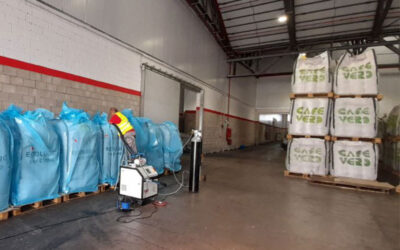
Organic fumigation using Modified Atmospheres (MAP) controls insects at ALL stages, without chemical residues.
In grain storage, pests rarely announce their arrival....

Pest control vs. fumigation? Know the difference.
In integrated pest management, it is common to confuse...
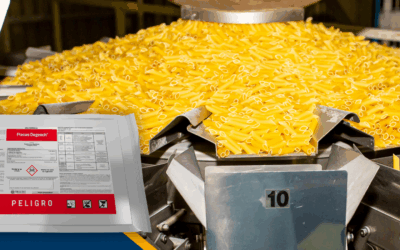
Advantages of Degesch Plates for pest control
Degesch Plates for Pest Control Have you ever wondered...

0 Comments