

Tips for Pest Control in the Food Industry
Pest control in the food industry is a priority for ensuring food safety, product quality, and regulatory compliance. The presence of pests not only jeopardizes food safety but can also lead to financial losses and regulatory penalties. Implementing a comprehensive prevention and control approach is key to minimizing these risks. Below, we present some essential strategies for effective pest management in the food industry.
1. Implementation of Integrated Pest Management (IPM)
Integrated Pest Management (IPM) is an approach based on prevention, monitoring, and control, strategically combining physical, biological, and chemical methods. Key aspects include:
- Constant monitoring: Use of traps, periodic inspections, and detailed record-keeping to detect any pest activity.
- Physical control: Sealing cracks, installing entry barriers, and fitting window screens to prevent pest intrusion.
- Biological measures: Use of pheromone traps for specific insects.
- Rational chemical control: Application of specific products under strict regulations to minimize contamination risks.
2. Proper Waste Management and Facility Maintenance
Adequate waste disposal and structural maintenance are essential to prevent pest proliferation:
- Waste handling: Store waste in sealed containers and remove it regularly to avoid attracting pests.
- Deep cleaning: Implement cleaning protocols in storage, production, and distribution areas.
- Moisture control: Eliminate sources of standing water and repair leaks to prevent conditions that favor insects and rodents.
3. Fumigation and Chemical Control Services
In cases where an infestation requires corrective measures, phosphine gas fumigation is an effective solution. Preserve Services offers:
- Targeted fumigation using highly efficient, low-toxicity products to ensure food safety.
- Specialized interventions specifically designed to comply with food industry regulations.
- Re-entry and ventilation protocols, ensuring appropriate timeframes for staff to return and for safe production to resume.
4. Specialized Technical Consulting
Every food plant has unique needs; therefore, expert technical advice is crucial for designing an effective pest control plan. Preserve Services provides:
- Personalized assessment to identify facility vulnerabilities.
- Design of control strategies aligned with food safety standards.
- Staff training to ensure the proper implementation of preventive and control measures.
5. Sanitization to Ensure a Contamination-Free Environment
The sanitization process is a key component in eliminating pathogenic microorganisms and residues that could attract pests. Preserve Services offers:
- Application of broad-spectrum disinfectants that are safe for the food industry.
- Deep sanitization protocols are focused on critical surfaces and processing areas.
- Compliance with sanitary regulations, ensuring an optimal environment for food production.
A comprehensive pest control program not only protects food quality but also strengthens the reputation and regulatory compliance of companies in the sector. With the support of Preserve Services, the food industry can rely on specialized solutions that guarantee safe, pest-free environments.
Most popular

Global Warming: More Insects Eating More Crops
According to research conducted at the University of Vermont and recently...
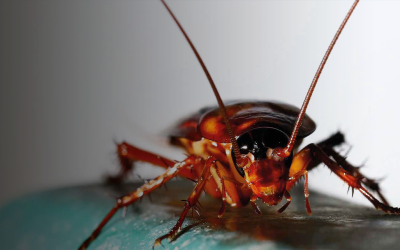
Recommendations for effective cockroach control
According to the World Health Organization, cockroaches are among the...
0 Comments